Owl Pellets
A fascinating glimpse into the diet of birds of prey.
What Owl Pellets Are
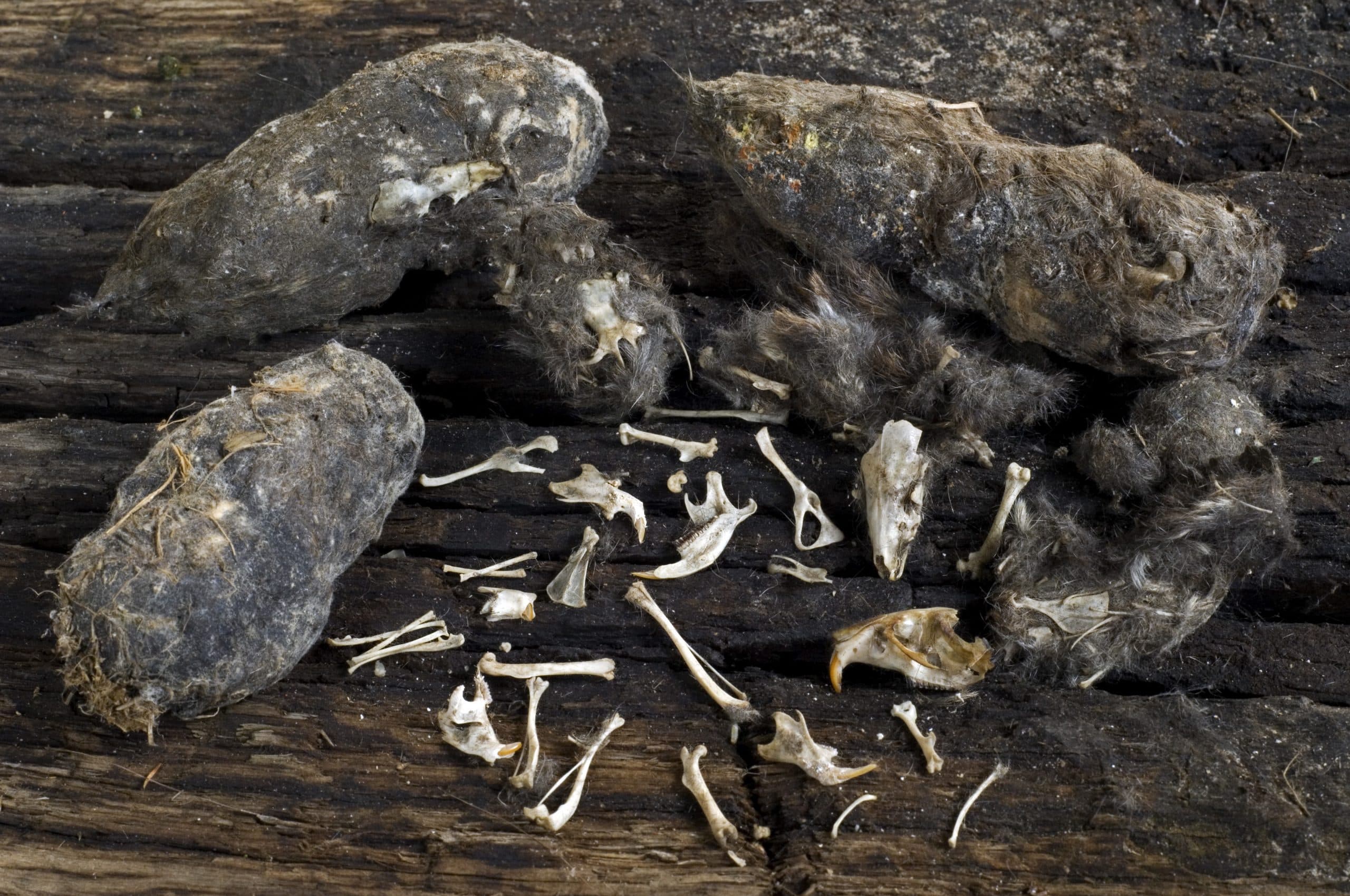
An owl pellet is a compact mass of undigested material that an owl regurgitates after feeding. Because owls swallow their prey whole and lack teeth to chew, parts such as bones, fur, feathers, teeth, and insect exoskeletons cannot be digested. These materials are compressed in the owl’s gizzard and later expelled as a pellet, typically six to ten hours after a meal. Regurgitating pellets helps keep the owl’s digestive tract clear and healthy.
How Pellets Form and What They Contain
After prey is swallowed, digestible tissues are broken down by enzymes, while indigestible parts are separated and packed together. The result is a small, firm pellet—usually gray or brown—ranging from about half an inch in small birds to one or two inches in larger birds like owls and hawks. The exact contents of a pellet reflect the owl’s diet and may include bones, fur, feathers, claws, bills, or plant material.
Why Owl Pellets Matter
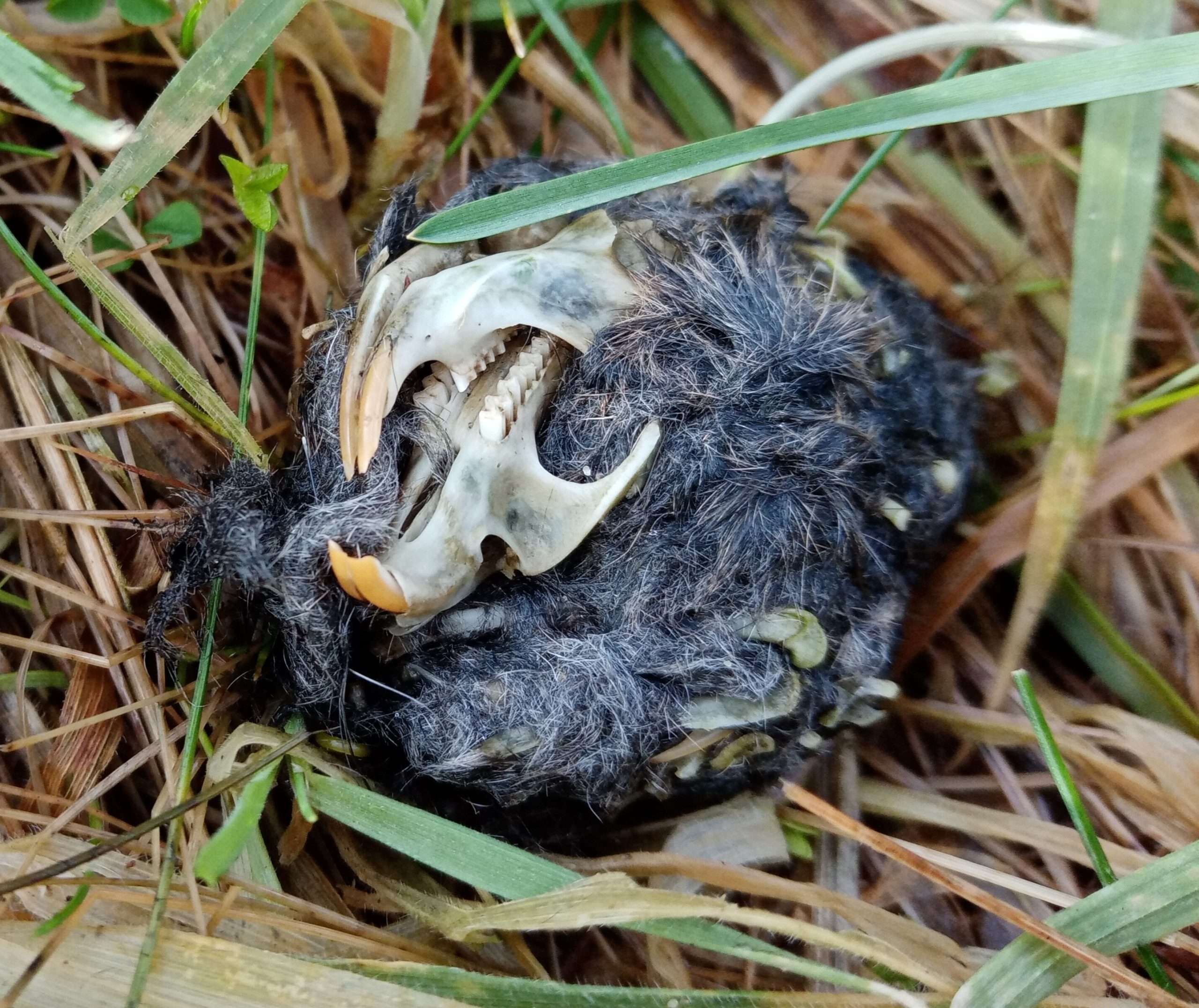
Owl pellets are valuable to scientists and students because they provide insight into an owl’s diet without harming the bird. By examining pellets collected over time, ornithologists can track seasonal changes in prey and study predator–prey relationships. Pellets are commonly found at roosting or nesting sites, such as beneath trees, in barns, near cliffs, or in grasslands, depending on the species.
Barn Owls and Pellets
Barn Owls (Tyto alba) are among the most widespread land birds, found on every continent except Antarctica. They favor open habitats like grasslands and farmland and commonly prey on small mammals such as mice, voles, rats, and shrews, making them beneficial for natural pest control. Like other owls, Barn Owls regurgitate pellets containing the bones and fur of their prey, which are especially useful for studying local ecosystems.
Educational Value
Because pellets preserve skeletal remains, they are widely used in classrooms to help students identify prey species and understand food webs. By dissecting pellets, learners can see concrete evidence of how owls hunt, eat, and fit into their environment, making owl pellets a powerful hands-on tool for studying ecology.